

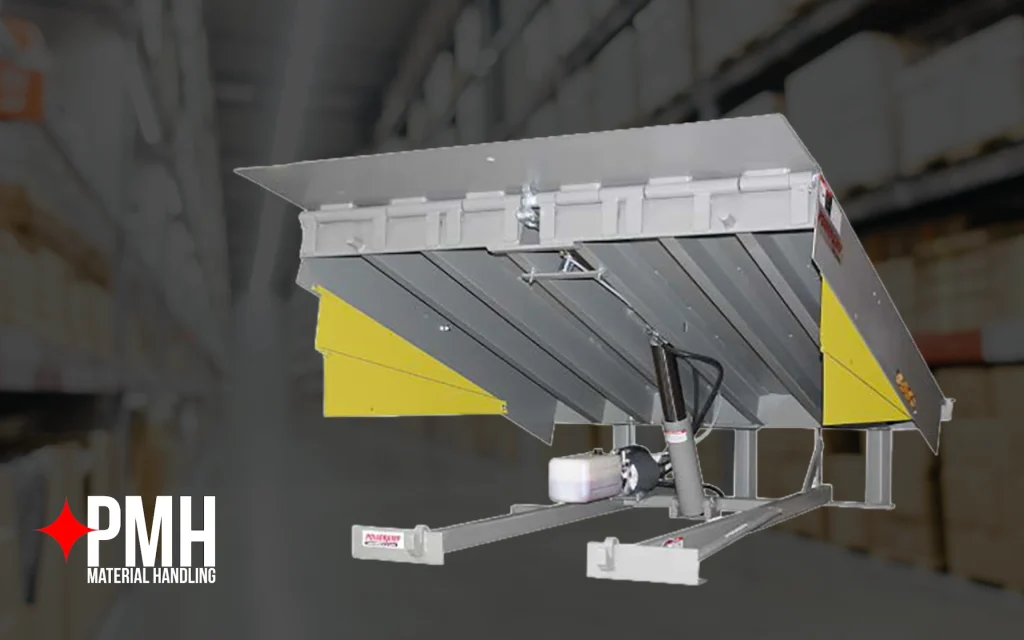
For many warehouses and distribution facilities, dock equipment maintenance gets pushed down the priority list until something breaks. On paper, it feels like a smart budget decision. If the dock leveler is still operating, why spend money on inspections, lubrication, or preventive service?
The real cost of skipping maintenance usually shows up later — and it shows up fast.
A worn hinge that could have been caught during a routine inspection can turn into a major structural repair. A small hydraulic leak can suddenly take an entire dock position offline during peak shipping season. What starts as a deferred maintenance decision often becomes emergency downtime, expedited parts orders, overtime labor, delayed shipments, and frustrated customers.
For operations managers across Pittsburgh, western Pennsylvania, West Virginia, and Ohio, the financial risk is hard to ignore. A planned service visit may cost a few hundred dollars. A full emergency breakdown can easily exceed several thousand dollars before accounting for operational downtime.
That’s why more facilities throughout Pennsylvania are prioritizing proactive dock leveler maintenance to keep freight moving safely, efficiently, and without interruption.
What a Planned Maintenance Visit Actually Covers
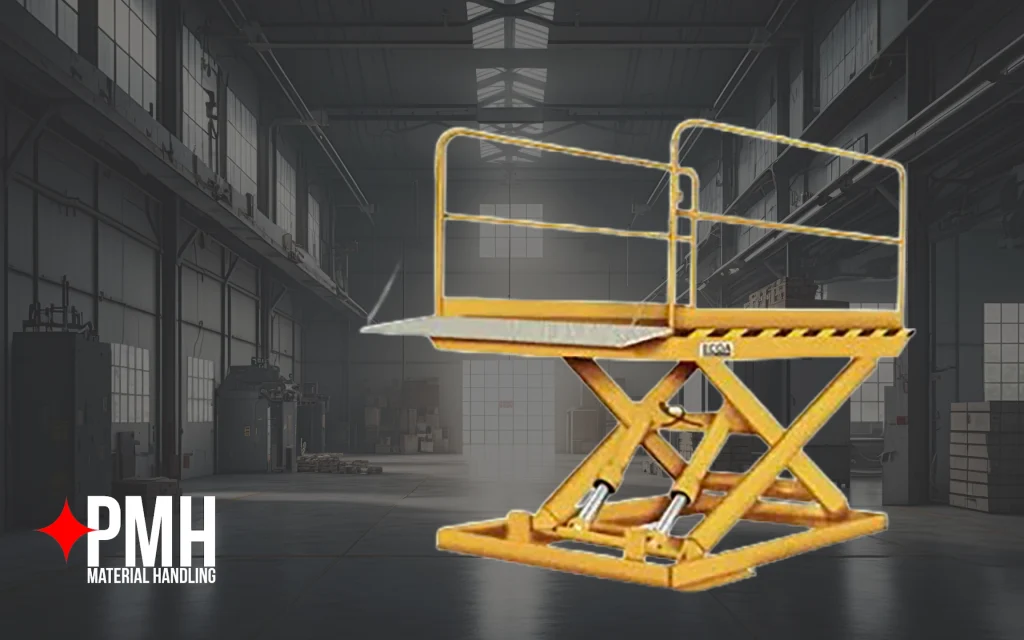
One of the biggest misconceptions about dock maintenance is that it’s expensive, time-consuming, or only necessary when something feels “off.” In reality, a planned maintenance visit is designed to identify small issues before they become operational problems.
Most preventive maintenance appointments take between 15-20 minutes per dock leveler, depending on the equipment type, age, and condition.
During a standard service visit, technicians inspect critical operating components like lip hinges, springs, hydraulic cylinders, safety legs, hold-down assemblies, electrical systems, and structural weld points. They also check hydraulic fluid levels, test operational responsiveness, lubricate moving parts, tighten loose hardware, and look for early signs of wear that could lead to future breakdowns.
The cost difference between preventive maintenance and emergency repair is substantial.
A planned maintenance visit may cost a few hundred dollars depending on the number of dock positions being serviced. Compare that to an emergency repair call, which often includes after-hours labor premiums, emergency dispatch fees, overtime charges, expedited shipping costs, and extended downtime.
Facilities that invest in planned maintenance dock equipment programs are typically able to control repair costs far more effectively because small issues are addressed before they become major operational disruptions.
For companies evaluating long-term equipment performance, PMH also offers resources on dock leveler types and selection to help operations teams choose the right systems for their facility demands.
The Real Cost of a Dock Leveler Breakdown
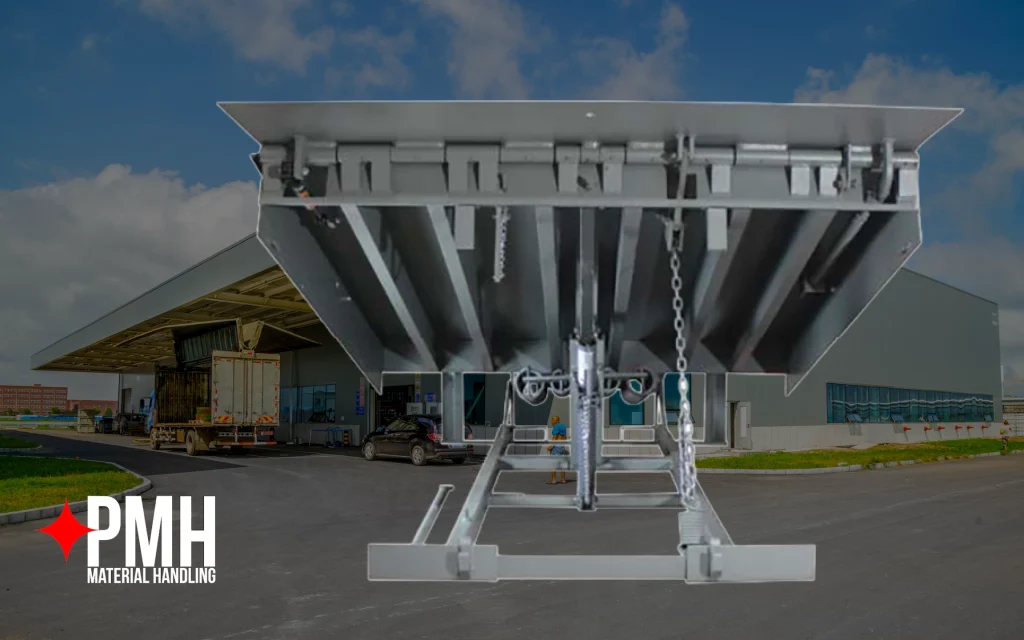
When a dock leveler fails unexpectedly, the repair invoice is usually only part of the problem.
The larger expense is operational disruption.
Emergency service calls almost always cost more than scheduled maintenance because they typically occur during high-pressure operational periods — overnight shifts, weekends, severe weather events, or peak shipping weeks. Facilities throughout Pittsburgh, PA, WV, and OH often face significantly higher labor rates during emergency service calls, especially when technicians must source replacement parts immediately.
But the real financial damage often comes from downtime.
A failed dock leveler can slow or completely stop loading operations at a busy dock position. Forklift operators lose productivity, trucks remain idle, shipments fall behind schedule, and warehouse workflows become congested. Even a single dock position being unavailable can create delays that ripple throughout the facility.
For high-volume warehouses, downtime can cost hundreds or thousands of dollars per hour depending on labor costs, shipping schedules, and customer delivery expectations.
And in many cases, emergency repairs become more extensive because underlying issues were ignored for too long.
A small hydraulic leak may eventually damage additional components. A worn hinge assembly can place stress on surrounding welds and structural areas. Corrosion that could have been addressed early may spread throughout the system. What might have started as a manageable repair eventually requires larger component replacement and more expensive labor.
This is why experienced providers of dock equipment repair western Pennsylvania operations rely on focus on prevention first. Once a dock goes down, you’re no longer managing maintenance — you’re managing downtime, labor loss, and expedited costs all at once.
How Often Should You Schedule Dock Leveler Service?
There’s no universal maintenance schedule for every facility. The proper frequency depends heavily on dock traffic volume and operational demands.
Low Traffic Facilities (Under 10 Trucks Per Day)
Facilities with lighter dock usage should still schedule annual inspections. Even lower-volume dock equipment experiences corrosion, hydraulic wear, seasonal stress, and gradual mechanical fatigue over time.
Medium Traffic Facilities (10–25 Trucks Per Day)
Mid-volume facilities should generally follow a semi-annual dock leveler service schedule. Increased cycling places more wear on hinges, springs, hydraulic systems, and safety mechanisms, making more frequent inspections important.
High Traffic Facilities (25+ Trucks Per Day)
High-volume operations should strongly consider quarterly inspections. Constant forklift traffic, continuous trailer movement, and heavy loading activity create significantly higher stress on dock equipment.
After Any Incident or Operational Change
Dock equipment should also be inspected immediately after:
- Trailer creep incidents
- Forklift impacts
- Hydraulic leaks
- Sudden operational changes
- Unusual noises
- Visible structural damage
Ignoring these warning signs almost always increases future repair costs.
Signs You’ve Already Waited Too Long
Most dock levelers provide warning signs before total failure occurs.
Common indicators include:
- Slow or uneven operation
- Excessive noise during cycling
- Fluid leaks around hydraulic systems
- Visible rust or corrosion
- Delayed lip extension
- Sagging dock decks
- Cracks near hinges or welds
- Jerky movement during operation
If your equipment is already showing these symptoms, maintenance is no longer preventive — it’s becoming corrective.
Building a Simple Dock Maintenance Plan
An effective maintenance strategy does not need to be overly complicated. The most successful facilities focus on consistency rather than complexity.
Internal maintenance teams should perform basic monthly visual inspections to identify obvious problems early. This includes checking for hydraulic leaks, unusual noises, visible rust, hinge wear, debris buildup, and operational inconsistencies. While these inspections are helpful, they should supplement — not replace — professional service.
Annual professional inspections remain essential because trained technicians can identify hidden wear, structural fatigue, hydraulic issues, and safety concerns that may not be obvious during day-to-day operations.
PMH provides inspection services throughout Pennsylvania, West Virginia, and Ohio with experienced technicians trained on a wide range of dock systems and loading equipment.
Facilities should also maintain proper service documentation to support OSHA compliance, safety audits, insurance requirements, and long-term equipment planning. Consistent records help operations managers identify recurring issues and make more informed budgeting decisions.
Working with a responsive regional service provider is equally important. Fast response times can significantly reduce downtime when issues occur unexpectedly.
PMH supports facilities throughout Pittsburgh and western Pennsylvania with preventive maintenance programs, emergency repair services, dock equipment inspections, and long-term maintenance planning designed to help businesses minimize downtime and extend equipment lifespan.
For facilities operating aging systems, regular maintenance can also help maximize the life of existing dock levelers before replacement becomes necessary.
The Financial Risk of Waiting Too Long
The biggest mistake many facilities make is assuming maintenance is optional until a breakdown occurs.
But dock equipment failures rarely happen at convenient times.
They happen during peak shipping weeks, overnight operations, staffing shortages, severe weather conditions, and periods when delivery schedules are already under pressure. And when they happen, the costs extend far beyond the repair invoice itself.
A routine inspection may cost a few hundred dollars.
An emergency repair combined with downtime, delayed shipments, labor inefficiency, overtime, and expedited parts can quickly climb into the thousands.
That’s why preventive maintenance is ultimately a financial decision — not just a maintenance decision.
Schedule a Dock Inspection Before Peak Season Hits
Delaying maintenance may feel like a short-term savings strategy, but the long-term financial risk is much higher.
A proactive maintenance plan helps facilities reduce emergency repair costs, minimize operational downtime, improve employee safety, and extend equipment lifespan while keeping freight moving efficiently during peak demand periods.
PMH provides responsive service and preventive maintenance support throughout Pittsburgh, western Pennsylvania, West Virginia, and Ohio.
If your facility hasn’t had a recent inspection, now is the time to act before minor wear turns into a costly shutdown.
Schedule a dock inspection today.