

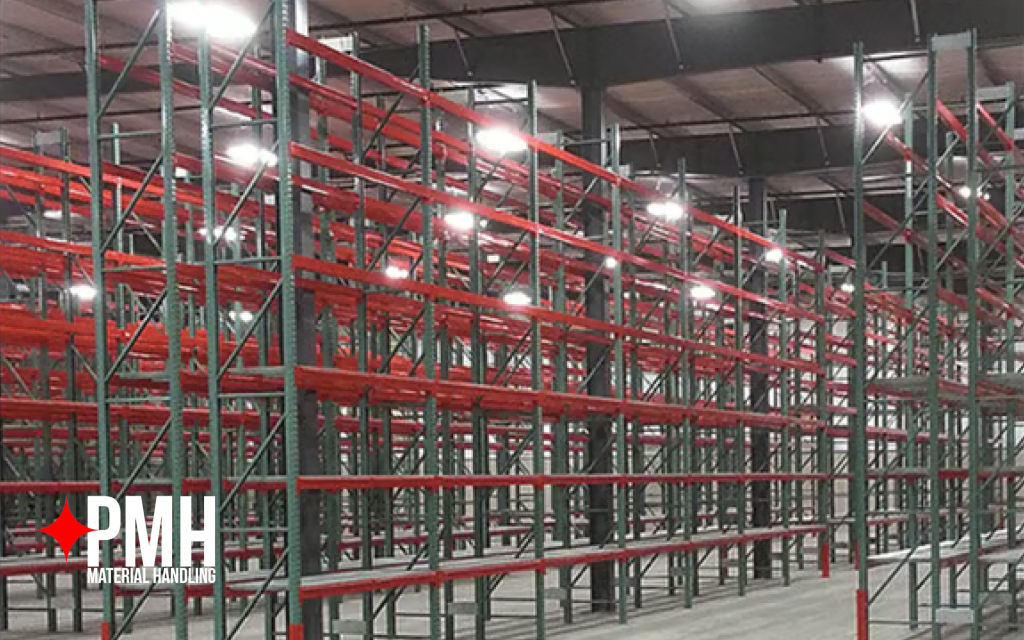
Warehouse racking problems rarely happen all at once.
More often, they start with a small forklift bump that no one reports. A slightly bowed upright that gets ignored because “it still looks okay.” A missing beam clip that disappears during a busy shift and never gets replaced. Then one day, an OSHA inspector walks through the facility — or worse, a rack failure happens before anyone notices the warning signs.
OSHA does not announce inspections ahead of time. Unfortunately, pallet rack damage does not announce itself either.
For warehouse managers across Pennsylvania, Ohio, and West Virginia, the challenge is not simply staying operational — it is maintaining safe, compliant storage systems under constant daily wear. Forklift traffic, overloaded bays, improper repairs, and aging systems can all compromise rack integrity over time. Even facilities with experienced operators can develop dangerous conditions without a formal inspection process in place.
That is why proactive pallet rack inspection OSHA Pennsylvania planning matters. A professional inspection helps identify structural concerns early, reduce liability exposure, and protect employees before minor damage becomes a serious safety event.
Whether your facility operates in Pittsburgh, Morgantown, Youngstown, or anywhere in the tri-state region, understanding what OSHA expects — and what warning signs to watch for — is critical to maintaining a safe warehouse environment.
What OSHA Actually Requires for Pallet Racking
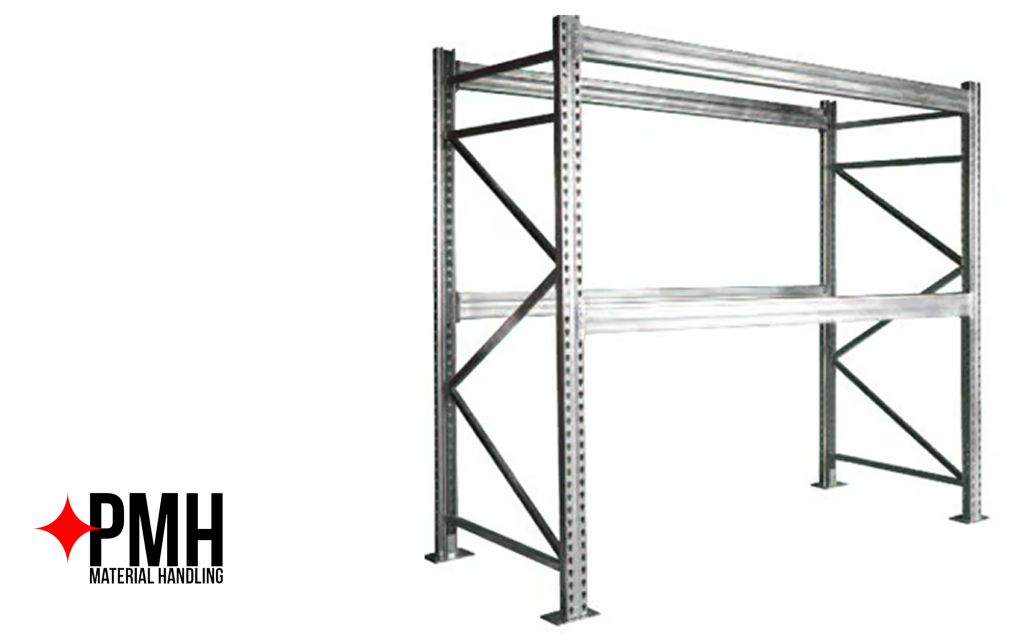
One of the biggest misconceptions in warehouse operations is that OSHA has a single, standalone “pallet racking regulation.” In reality, OSHA addresses racking safety through broader warehouse storage and workplace safety standards.
The primary regulation most facilities fall under is OSHA 29 CFR 1910.176, which covers material handling and storage requirements. This regulation requires stored materials to be stacked, secured, and limited in height so they remain stable and safe under normal operating conditions.
While OSHA may not publish detailed engineering specifications for every rack configuration, inspectors frequently rely on ANSI and Rack Manufacturers Institute (RMI) standards when evaluating warehouse racking systems. Specifically, ANSI MH16.1 — developed by the Rack Manufacturers Institute — establishes industry guidelines for rack design, installation, maintenance, and inspection procedures.
In practical terms, OSHA expects warehouse operators to:
- Maintain structurally sound racking systems
- Repair damaged rack components promptly
- Ensure racks are loaded within capacity limits
- Keep manufacturer load plaques visible and accurate
- Train employees on safe loading practices
- Address hazards that could cause collapse or falling materials
Under OSHA’s General Duty Clause, employers are legally responsible for providing a workplace free from recognized hazards. That includes damaged pallet racking.
This means responsibility ultimately falls on warehouse ownership and management — not forklift operators, installers, or manufacturers alone. If rack damage is visible and unaddressed, the facility may still face citations regardless of how the damage occurred.
Documentation also matters more than many facilities realize. OSHA inspectors often request maintenance records, repair documentation, and inspection reports during evaluations. Facilities without documented inspection practices may struggle to demonstrate compliance efforts after an incident.
That is why many regional operations rely on professional inspection services to establish formal reporting and maintain organized safety records.
The 5 Warning Signs Your Pallet Racking Needs an Inspection
Daily warehouse activity naturally creates wear and tear. The problem is that many dangerous rack conditions develop gradually and can appear “minor” until they become structural failures.
Here are five warning signs that should never be ignored.
1. Bent or Deformed Uprights
Rack uprights absorb enormous weight loads every day. Even slight bending, bowing, or twisting can compromise the structural integrity of the entire system.
This type of damage is commonly caused by forklift impacts, overloaded bays, or repeated stress over time. Sometimes the damage is dramatic and obvious. Other times, the upright may only appear slightly out of alignment when viewed from certain angles.
The structural risk is significant because uprights distribute vertical loads throughout the rack frame. Once compromised, the rack may no longer safely support its intended capacity.
A damaged upright can increase the likelihood of:
- Progressive rack failure
- Uneven load distribution
- Beam displacement
- Full system collapse under stress
If an upright appears bent or warped in any way, the area should be evaluated immediately. Do not continue loading damaged sections until they are inspected by qualified professionals experienced in racking compliance Pennsylvania standards and ANSI requirements.
2. Damaged or Missing Base Plates
Base plates anchor pallet racking systems to the warehouse floor and help stabilize the entire structure. When these plates become cracked, loose, bent, or detached, rack stability is reduced substantially.
Forklift strikes near floor level are one of the most common causes of base plate damage. In some warehouses, operators may not even notice contact occurred.
Signs to watch for include:
- Missing anchor bolts
- Cracked welds
- Separated anchors
- Bent footplates
- Concrete cracking around anchors
Ignoring damaged base plates creates serious structural instability, especially in high-traffic areas or facilities using taller rack systems.
A professional pallet rack damage inspection checklist should always include close evaluation of floor anchors and base connections. These components are often overlooked during informal internal walkthroughs.
3. Horizontal Beam Deflection or Sagging
Rack beams should remain level when properly loaded within design capacity limits. If beams appear visibly sagged, deflected, or uneven, the system may be overloaded or structurally compromised.
Beam deflection can occur from:
- Excessive pallet weight
- Improper load placement
- Long-term metal fatigue
- Previous impact damage
Warehouse teams sometimes normalize beam sagging because it develops gradually over time. However, visible deflection is often an early warning sign of overstressed components.
The risk increases because weakened beams may:
- Fail unexpectedly under load
- Dislodge pallets
- Cause cascading rack collapse
- Shift weight into adjacent bays
This is particularly important in facilities using selective pallet racking, where individual beams frequently experience repeated loading cycles throughout the day.
If beam sagging becomes noticeable, reduce loads immediately and schedule a professional evaluation before continuing normal operations.
4. Missing Safety Pins or Beam Locking Clips
Beam locking clips and safety pins are small components with enormous importance.
These mechanisms help secure horizontal beams to the upright frame and prevent accidental beam dislodgement during loading or forklift contact.
Unfortunately, they are also one of the most commonly overlooked safety issues in warehouse operations.
Clips may disappear due to:
- Improper installation
- Forklift vibration
- Accidental removal during maintenance
- Component wear
Without locking devices in place, a beam can potentially lift out of position if struck upward by a pallet or forklift mast.
The result can include:
- Sudden pallet drops
- Beam separation
- Product loss
- Employee injury
Missing clips should always be treated as an immediate corrective action item — not something to “fix later.”
Professional warehouse racking inspection services often identify missing or incompatible safety components that internal teams may not recognize during daily operations.
5. Any Collision Damage — Even Minor Dents
If forklifts operate near racking systems, impacts are inevitable.
The problem is that many facilities underestimate how much structural damage can occur from what appears to be a “small bump.”
Even minor dents can weaken steel components and reduce load-bearing capacity. Repeated low-level impacts are especially dangerous because damage accumulates over time.
Common impact areas include:
- Lower uprights
- Bracing members
- Column protectors
- Beam ends
- Base plates
The structural risk is not always visible externally. Steel may experience hidden stress fractures or reduced integrity even if the rack remains standing.
OSHA and RMI guidelines both emphasize the importance of immediate evaluation after rack impact incidents.
Any forklift collision should trigger:
- Immediate visual assessment
- Restricted use of affected sections
- Documentation of the incident
- Professional inspection if structural damage is suspected
This is one of the most overlooked portions of OSHA pallet rack requirements PA WV OH operations managers encounter during audits and post-incident reviews.
How Often Should Racking Be Professionally Inspected?
There is no universal inspection schedule that fits every warehouse.
Inspection frequency depends heavily on:
- Forklift traffic volume
- Rack height
- Product weight
- Facility activity levels
- Type of inventory handled
- Historical damage frequency
Facilities with heavy daily forklift activity typically require more frequent inspections than low-volume storage operations.
At minimum, warehouses should conduct:
- Ongoing internal visual checks
- Immediate inspections after any impact event
- Formal annual professional inspections
High-traffic operations may benefit from semi-annual or quarterly evaluations, particularly when racks experience frequent loading cycles or repeated impact exposure.
Post-incident inspections are especially important. If a forklift strikes a rack, the affected section should be assessed immediately — even if damage appears minor.
Too many facilities assume:
“It still looks fine.”
Unfortunately, structural weakening is not always visible without trained evaluation.
Professional inspectors understand how to assess:
- Deflection tolerances
- Upright damage classifications
- Anchor integrity
- Beam capacity concerns
- Rack plumbness and alignment
Routine inspections also help facilities build documentation history, which can become extremely valuable during OSHA reviews or insurance investigations.
What Happens During a PMH Racking Inspection?
At PMH Material Handling, inspections are designed to do more than simply identify obvious damage.
The goal is to help facilities maintain safer operations, improve compliance readiness, and reduce long-term risk exposure before serious failures occur.
PMH’s experienced industry professionals evaluate critical structural and operational components throughout the racking system.
During a professional inspection, the team may assess:
- Upright condition and alignment
- Beam integrity and deflection
- Anchors and base plates
- Safety clips and locking mechanisms
- Rack plumbness
- Visible impact damage
- Load capacity labeling
- Improper repairs or modifications
- Floor conditions around rack systems
Facilities also receive written documentation outlining findings, recommendations, and corrective action priorities.
This reporting helps support OSHA compliance efforts while creating a documented maintenance record for internal safety programs.
For warehouses evaluating upgrades or system modifications, PMH also provides rack repair, installation and custom solutions tailored to operational workflow and storage needs.
Warehouses considering system redesigns may also benefit from understanding the differences between selective vs push-back racking configurations depending on inventory density and accessibility requirements.
Whether a facility operates basic storage systems or large-scale pallet racking, storage and bins solutions, regular inspections are one of the most effective ways to improve long-term warehouse safety.
The Cost of Non-Compliance
Many warehouse managers think about racking inspections only in terms of avoiding OSHA citations.
But the financial impact of a rack failure often extends far beyond regulatory penalties.
OSHA citations under the General Duty Clause can result in substantial fines depending on severity and repeat violations. Penalties increase significantly when hazards are documented but left uncorrected.
However, the direct and indirect costs of an actual rack collapse are often much higher.
Potential consequences include:
- Employee injuries
- Product loss
- Inventory destruction
- Equipment damage
- Operational downtime
- Insurance claims
- Legal liability
- Shipment delays
- Reputation damage
In severe cases, a single rack collapse can shut down portions of a warehouse for days or weeks.
The reality is simple: proactive inspections are almost always less expensive than reactive repairs after a failure.
Facilities that invest in regular inspections are not simply “checking a compliance box.” They are protecting employees, operations, inventory, and long-term business continuity.
Don’t Wait for OSHA to Discover the Problem
Most rack failures begin with damage that looked minor at first.
A bent upright. A missing clip. A forklift impact nobody documented.
Over time, those small issues can become major safety risks — especially in busy warehouse environments where heavy loads and constant forklift traffic place ongoing stress on storage systems.
A proactive inspection helps identify structural concerns early, improve compliance readiness, and reduce the likelihood of costly downtime or OSHA violations.
PMH Material Handling provides certified racking inspections, repair guidance, and comprehensive warehouse safety evaluations throughout Pennsylvania, Ohio, and West Virginia.
If your facility has not completed a recent inspection, now is the time to act before a small issue becomes a serious problem.
Book a Racking Inspection today.